Mitigating Thermal Runaway Propagation in Battery Modules Using Expandable Graphite Layers
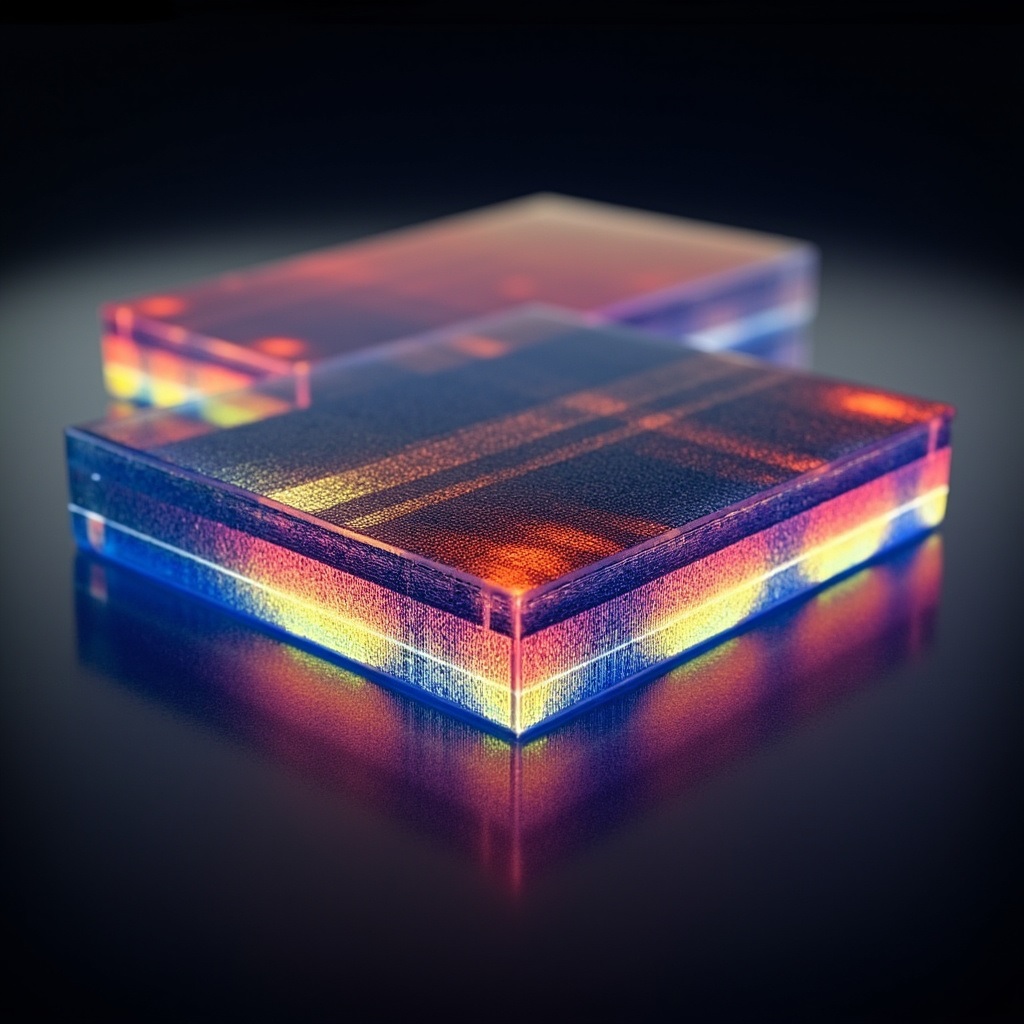 The battery industry has a dirty little secret. For all the hype about energy density and fast charging, the real nightmare that keeps engineers awake at night is the domino effect. One cell goes into thermal runaway. Then another. Then the whole module becomes a fireball. It is not a question of if it happens, but when. And the current solutions? Heavy ceramic blankets, messy phase-change materials, or expensive active cooling systems that add complexity and weight. There is a better way, and it is sitting right there in the form of a simple, intelligent material: Expandable Graphite.
Let us cut through the technical noise. When a lithium-ion cell fails, it releases a massive burst of heat and flammable gases. Traditional insulation tries to block that heat. That is like trying to stop a flood with a paper towel. Expandable graphite does not just block. It transforms. At a critical temperature, this material undergoes a rapid, dramatic expansion. It swells up to hundreds of times its original volume, creating a thick, carbon-based char layer that acts as an intelligent thermal barrier. It is not passive. It is reactive. It only activates when it needs to.
Think about the physics of a thermal runaway event. The heat is intense, but it is also fast. You need a material that can keep up. Expandable graphite layers, when strategically placed between cells, provide two critical functions simultaneously. First, the expansion process itself is endothermic. It absorbs a significant amount of heat energy directly from the failing cell. Second, the resulting expanded foam is an incredibly effective insulator. It physically separates the failing cell from its neighbors, starving the propagation chain of the thermal energy it needs to continue. It is a one-two punch that stops the fire before it can spread.
Now, why is this a game-changer for battery module design? Because it is brutally simple. You do not need complex pumps, sensors, or control algorithms. You do not need to redesign the entire cooling architecture. You simply integrate a thin sheet of expandable graphite material between the cells. It adds negligible weight. It takes up almost no space. And it sits there, completely inert, for the entire life of the battery, until the moment it is needed. That is reliability you can bank on.
For manufacturers, this translates directly into a competitive advantage. Safety is no longer a checkbox. It is a selling point. Customers are getting smarter. They read the news about battery fires in electric vehicles, energy storage systems, and consumer electronics. They are looking for the product that does not burn. By incorporating expandable graphite layers, you are not just mitigating a risk. You are building a story of trust. You are saying, “We engineered for the worst-case scenario, and we won.”
The cost argument is equally compelling. Compare the price of a few grams of expandable graphite to the cost of a full-blown thermal runaway incident. The recall costs. The legal fees. The brand damage. The loss of customer confidence. It is not even close. This is the cheapest insurance policy you will ever buy for your battery module. It is a material that pays for itself the moment it prevents a single cell from cascading.
The industry is moving toward higher energy densities, which means more stored energy in a smaller space. That makes thermal management harder, not easier. Relying on older methods is a recipe for disaster. Expandable graphite is the intelligent, minimalist solution that aligns with the future of battery design. It is lightweight. It is reactive. It is proven. And it is ready to be deployed right now.
Stop hoping your battery module will be safe. Engineer it to be safe. Use the material that fights fire with physics, not with prayers. Expandable graphite layers are the silent guardians that turn a potential catastrophe into a contained, manageable event. That is not just good engineering. That is good business.